
What to Do When the Screens Go Off
The hardest part of a screen-free evening is not turning off the device — it is filling the space that scrolling used to occupy. These analog alternatives are chosen for low cognitive load, zero blue light emission, and genuine enjoyment so your new routine feels like a reward rather than a restriction.
Choose Your Level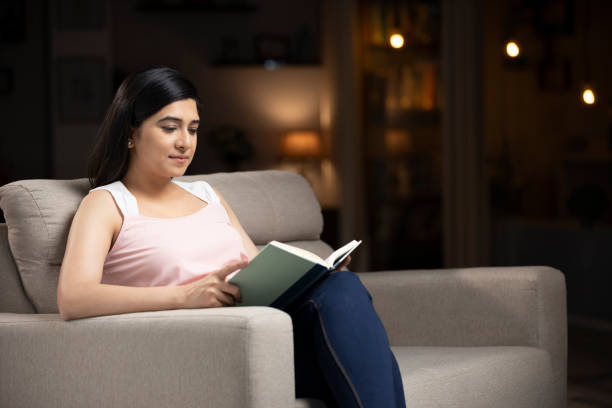
Reading: The Classic Replacement
Paper books are a popular offline option because they do not emit screen light. Many readers choose fiction or light essays in the evening rather than work-related material. Aim for a modest page target, such as twenty pages, to keep the session relaxed.
Choose paper with warm-toned pages and a comfortable font size to reduce eye strain under dim lamps. Keep a bookmark rather than reading until exhaustion. If your mind wanders, that is acceptable — wandering without a feed to scroll is part of the retraining process. Library visits or Little Free Library walks can make book rotation feel like an event rather than a chore.
- Keep two books ready — one familiar comfort read, one new title
- Use a clip-on warm LED book light if room lighting is insufficient
- Avoid thrillers or true crime if they increase alertness before bed

Paper Planning for Tomorrow
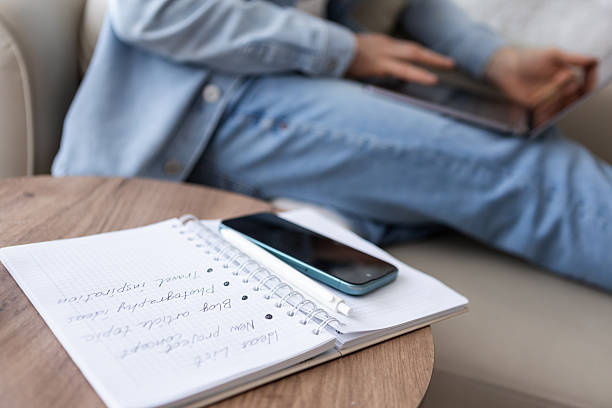
Many people scroll at night to "organize" tomorrow mentally — yet that mental rehearsal keeps the prefrontal cortex active when it should be winding down. Externalizing plans on paper closes cognitive loops. Write three priorities for tomorrow, note any appointments, and list items to pack if you commute. Close the notebook physically to signal completion.
A simple grid format works well: left column for tasks, right column for estimated duration. Avoid over-planning; the goal is clarity, not a minute-by-minute schedule. Pair this habit with preparing clothes and a water bottle for morning — small physical preparations that reduce decision fatigue at dawn.
Tip: Use a dedicated notebook that lives on your nightstand solely for evening planning. Separating it from work journals reinforces the boundary between rest and productivity.
Light Stretching and Body Care
Evening stretching addresses the physical tension that accumulates from desk work and screen posture. Focus on hip flexors, chest openers, neck releases, and forward folds held for thirty seconds each without bouncing. Move slowly and breathe through the nose — the pace itself becomes a calming signal.
Standing Forward Fold
Hang gently with bent knees for thirty seconds. Relieves lower back compression from sitting.
Supine Twist
Lying on your back, drop knees to one side while shoulders stay flat. Hold each side thirty seconds.
Child's Pose
Kneel and fold forward with arms extended. Breathe into the lower ribs for one minute.
Follow stretching with a warm shower or face-washing ritual. The temperature shift from warm water to cool bedroom air mimics the natural core temperature drop associated with sleep onset.
More Analog Ideas to Rotate
- Sketching or coloring — repetitive hand movements activate parasympathetic tone without narrative stimulation.
- Indoor plant care — mist leaves, rotate pots, trim dead stems. Quiet, tactile, and screen-free.
- Board or card games — choose cooperative games with low competitiveness to avoid adrenaline spikes.
- Acoustic music — play vinyl, cassette, or a non-smart speaker at low volume. Avoid lyric-heavy genres if they trigger mental chatter.
- Tea ceremony — boil water, steep loose-leaf chamomile or rooibos, sip without multitasking for ten full minutes.
Health & Safety Guidelines
Stretching Safety
Stop any stretch that causes sharp pain. Pregnant individuals and those with joint replacements should modify poses with professional guidance.
Caffeine in Tea
Verify herbal teas are caffeine-free. Green and black teas contain stimulants unsuitable within four hours of bedtime.
Reading Posture
Support your neck with a headboard pillow. Avoid reading flat on your stomach, which strains cervical vertebrae.
Craft Tools
Put away sharp craft tools before sleepiness sets in. Evening crafting works best with low-risk materials like yarn or colored pencils.
Events Calendar
Family Analog Activity Night
Hands-on workshop featuring board games, group reading, and paper craft stations for all ages.
Register InterestEvening Stretching Circle
Outdoor gentle movement session followed by screen-free social time in Philadelphia.
Register InterestFAQs
Audio-only content without looking at a phone screen counts toward screen-free time if the device screen stays off and the content is calming rather than news or debate format. Place the phone face-down across the room and use speaker mode or wired headphones.
Boredom tolerance increases with practice. Rotate through at least five different analog activities so no single option feels stale. Boredom often signals that your brain is recalibrating dopamine expectations — a temporary phase, not a permanent state.