
Build a Screen-Free Evening Routine That Sticks
This guide describes a sample evening schedule for readers following our screen-free levels. It is educational content — not a personalized sleep plan. Adjust times to fit your life and consult a professional if you have ongoing sleep concerns.
Review the Three Levels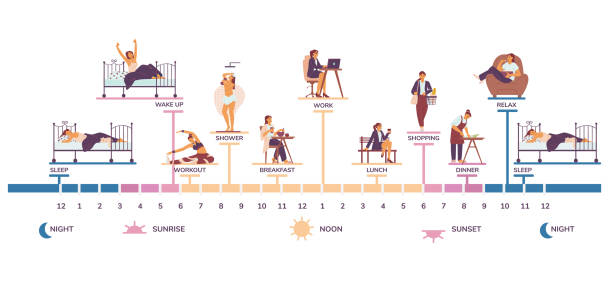
Sample Timeline for a 10:30 PM Lights-Out
Adjust all times proportionally to match your schedule. The intervals matter more than the absolute clock hours. Each phase transitions your environment from active to restful without abrupt shifts that feel jarring.
- 7:00 PM — Kitchen close: Finish dinner dishes, prep tomorrow's lunch, dim overhead kitchen lights to fifty percent.
- 8:00 PM — Last optional screen: If you watch a show, end by 8:00 PM latest. Enable night mode on all devices afterward.
- 9:00 PM — Wind-down hour: Warm shower, change into sleep clothes, begin analog activity from our alternatives list.
- 10:00 PM — Level 1 screens off: All devices to charging station outside bedroom. Final bathroom trip with amber night light only.
- 10:15 PM — In bed reading: Twenty pages maximum under warm lamp. Extinguish lamp at 10:30 PM.
Environmental Cues That Support Your Routine
Your home environment should visually change as evening progresses. These cues work alongside behavioral habits to reinforce circadian alignment and reduce reliance on willpower alone.
Lighting Layers
Install dimmer switches or use three-tier lamp setups. By 9 PM, only the lowest layer remains on in living spaces you occupy.
Temperature Drop
Lower thermostat one to two degrees starting at 9 PM. Cooler ambient temperature supports the core body temperature decline linked to sleep onset.
Visual Clutter Reset
Spend five minutes tidying visible surfaces at 8:30 PM. A cleared coffee table signals closure and reduces background cognitive load.

Consistency Beats Intensity
Studies on sleep regularity suggest that a consistent sleep-wake schedule may support circadian rhythms for some people. Choose a realistic lights-out time you can maintain most nights, then plan your screen-free buffer backward from that target.
When travel or social events disrupt your routine, use a condensed version: ten minutes of stretching, five minutes of paper planning, devices outside the bedroom. Partial routines prevent the all-or-nothing mindset that derails long-term habits. Track consistency with paper checkmarks rather than apps to stay aligned with screen-free principles.
Personalizing for Your Household
Single adults can adopt full Level 3 analog evenings quickly. Couples may alternate reading aloud on some nights. Families with children benefit from a shared "screens off" announcement at a household-wide time, followed by individual age-appropriate analog activities — picture books for younger children, sketch pads for teens.
- Shared calendar: Post the evening timeline on the refrigerator so all household members see the same expectations.
- Router schedules: Some home routers allow Wi-Fi pause times — use as a backup cue, not a substitute for personal discipline.
- Guest policy: Inform visitors of your screen-free bedroom policy before overnight stays to avoid awkward midnight phone glow.
Health & Safety Guidelines
Sleep Duration
Most adults benefit from seven to nine hours of sleep. Adjust your lights-out time backward from your required wake time accordingly.
Fluid Intake
Reduce large fluid consumption after 8 PM to minimize overnight bathroom trips that disrupt sleep continuity.
Exercise Timing
Vigorous exercise within two hours of bedtime may delay sleep onset. Schedule intense workouts for morning or early afternoon.
Persistent Sleep Difficulty
If sleep problems continue beyond eight weeks of consistent routine changes, seek evaluation from a qualified sleep specialist.
Events Calendar
Routine Design Workshop
Build your personalized evening timeline with templates and group feedback sessions.
Register InterestFall Reset: New Season Routines
Adjust your screen-free schedule for shorter daylight hours and back-to-school rhythms.
Register InterestFAQs
Set a household-wide "public screens off" time when shared spaces go dark digitally. Individual bedtimes can differ, but the shared transition creates collective accountability. Younger children benefit from earlier analog-only windows.
Short naps before 2 PM (twenty minutes maximum) can compensate without destroying nighttime sleep drive. Avoid napping after a poor night unless safety-critical — resume your routine the following evening instead.