
Screen-Free Bedtime Programs for Calmer Evenings
Phones, tablets, and TVs emit blue light that may affect your natural wind-down routine. Our free educational guides describe structured ways to reduce evening screen time — starting with thirty minutes and building toward a cozy analog routine with books, conversation, and quiet activities.

Why Screens Before Bed Deserve a Second Look
Research from sleep laboratories consistently shows that evening screen use shifts circadian timing. When you scroll social media or watch streaming content in bed, your brain receives mixed signals: it is dark outside, but your eyes detect daylight-level brightness from the display.
Many adults in the United States spend several hours on screens after dinner. That habit is not inherently wrong — but when it extends into the final hour before bed, it adds stimulation at a time when many people prefer quieter routines. A screen-free buffer can create space for offline activities without competing digital input.
Think of it as a flexible boundary, not a strict rule. You are not giving up technology forever — you are choosing a window where your evening can slow down. Some readers describe feeling more settled at bedtime after practicing a consistent screen-free window; others use the time simply to read or plan the next day. Experiences differ.
- Peer-reviewed literature has explored links between evening screen use and later sleep onset
- Offline activities can offer a practical alternative to late-night scrolling
- Small, consistent habits are often easier to maintain than occasional digital detoxes
This section summarizes general lifestyle ideas. It is not a substitute for professional sleep or health guidance. If you have insomnia, a diagnosed sleep disorder, or ongoing fatigue, speak with a licensed healthcare provider.

What Research Says About 450–480 nm Light and Melatonin
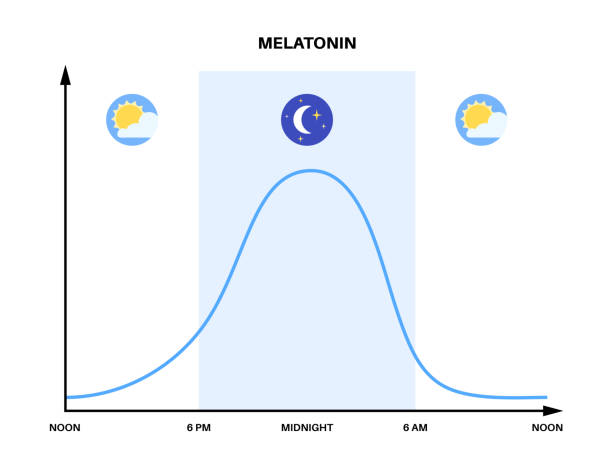
Melatonin is a hormone the pineal gland releases in response to darkness. Specialized cells in the retina detect light in the 450–480 nanometer range (blue-cyan wavelengths). When these cells register bright blue light, signals travel to the brain's circadian clock and may reduce melatonin production — a process described in published sleep-science literature.
LED-backlit phones, tablets, and modern TVs emit significant energy in this wavelength band. A 2019 study in the Journal of Pineal Research reported that two hours of tablet use before bed was associated with lower melatonin amplitude compared to reading a printed book under dim incandescent light in that study's controlled setting. Brighter screens, closer viewing distance, and longer exposure may increase the effect.
Metabolism (educational note): Some researchers study possible connections between evening light exposure, melatonin timing, and next-day appetite signals. These topics remain areas of active study — not established personal outcomes from reading our guides.
Immunity (educational note): Melatonin is also studied for its role as an antioxidant in laboratory settings. Animal and cell models explore these mechanisms; human conclusions are still developing. Our content describes science for learning purposes only and is not intended to prevent or address any health condition.
Three Progressive Levels to Choose From
Our program meets you where you are. Start at Level 1 and advance only when the current stage feels natural — not forced.
30 Minutes Screen-Free
Put all devices on do-not-disturb and out of hand reach thirty minutes before your target sleep time. Use this window for tea, stretching, or tidying your bedside table. This single boundary removes the most disruptive final burst of blue light without restructuring your entire evening.
Learn Level 1 DetailsDevices in Another Room
Charge phones, tablets, and laptops in a hallway or kitchen rather than the bedroom. Use a basic analog alarm clock if needed. Physical separation removes the reflex to check notifications and creates a clear spatial boundary between your waking digital life and your rest space.
Learn Level 2 DetailsFull Analog Evening
Replace screens with candles (used safely), paper books, board games, handwritten journaling, and conversation for the final ninety minutes of your day when you choose Level 3. This level suits readers who already practice Levels 1 and 2 and want a richer offline evening routine.
Learn Level 3 DetailsWhat to Do Instead of Scrolling
Removing screens creates a gap — and gaps need filling with activities that feel rewarding, not like punishment. The best replacements share three traits: they use your hands, they progress at a human pace, and they do not emit blue light.
- Read a physical book — fiction lowers cognitive arousal faster than nonfiction for most people; aim for twenty pages rather than a full chapter to avoid "just one more page" traps.
- Plan tomorrow on paper — write three priorities and pack your bag. Externalizing tasks reduces the mental rehearsal that keeps brains active in bed.
- Do gentle stretching — hip flexor and neck releases counteract desk posture; hold each stretch thirty seconds without pushing into discomfort.
- Prepare a warm drink — chamomile, rooibos, or warm milk rituals signal closure when repeated nightly.

Health & Safety Guidelines
Candle Safety
Never leave candles unattended. Place them on stable, heat-resistant surfaces at least twelve inches from curtains, bedding, or paper. Extinguish all flames before entering the bedroom.
Low-Light Reading
Use warm-spectrum lamps (2700K or lower) positioned over your shoulder to reduce eye strain. If headaches occur, increase ambient light slightly rather than reading in near darkness.
Stretching Limits
Evening stretches should feel mild — no bouncing or sharp pain. People with joint conditions should modify poses and consult a qualified movement professional for personalized guidance.
Emergency Access
Level 2 and 3 programs keep devices out of the bedroom, not out of the home. Ensure a landline or household phone remains accessible for urgent situations overnight.
Events Calendar
Join community gatherings focused on screen-free evenings, analog crafts, and sleep-friendly habits across the United States.
Screen-Free Sunday Kickoff
Virtual workshop covering Level 1 setup, device charging stations, and printable evening checklists. Open to all time zones.
Register InterestAnalog Evening Social — Philadelphia
In-person gathering near Walnut Street featuring board games, poetry readings, and candlelit conversation circles. Devices checked at the door.
Register InterestBlue Light & Sleep Science Talk
Live Q&A session exploring 450–480 nm research, practical dimming strategies, and melatonin-friendly home lighting audits.
Learn MoreFamily Screen-Free Challenge
Four-week program for households with children ages 8–16. Includes reward charts, analog activity kits, and weekly check-in emails.
Register InterestFrequently Asked Questions
-
Software filters reduce but do not eliminate 450–480 nm exposure, and they do not address the cognitive stimulation of interactive content. Filters can supplement Level 1, yet most sleep researchers still recommend a dedicated screen-free window because mental engagement alone delays sleep onset independent of light wavelength.
-
Some readers report feeling more relaxed at bedtime after one to two weeks of consistent Level 1 practice. Others simply appreciate having offline time without tracking specific outcomes. Sleep patterns depend on many factors — caffeine, stress, schedule, and health conditions among them. This site does not promise sleep improvements. Keep notes in a paper journal if you find that helpful.
-
Distance reduces retinal light intensity, but large screens still deliver meaningful blue light doses, and narrative content keeps your brain engaged. For Level 1, pause all screens thirty minutes before bed. If you choose occasional evening viewing, end the program at least ninety minutes before your target sleep time and dim room lights afterward.
-
Shift your screen-free window to begin immediately after work communications end, even if that is later than ideal. Use Level 2 charging habits so that once work is done, the device stays outside the bedroom. Consistency within your actual schedule matters more than matching a textbook bedtime.
Ready to Explore a Screen-Free Evening Routine?
Pick one level, try it for two weeks, and see how an offline window fits your household. Our guides offer practical, research-informed ideas — not medical advice or guaranteed results.